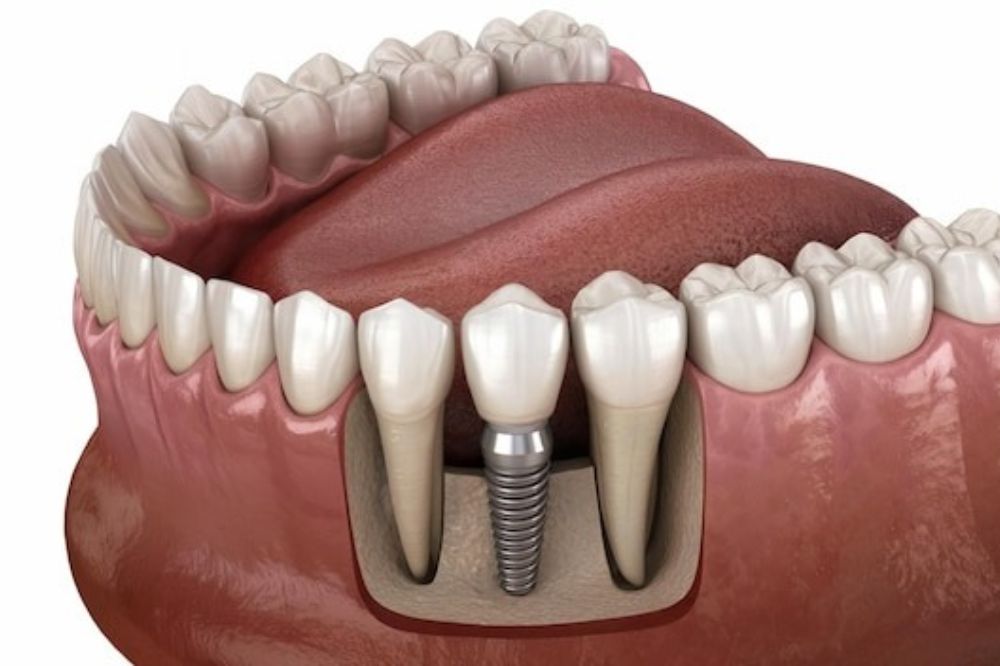
Dental implants are designed to replace missing teeth and help restore chewing function. They are placed in the jawbone, where the bone gradually bonds with the implant. Although implants often work well, problems can sometimes develop during healing or years after placement. Knowing the warning signs can help protect your oral health and address problems early. If you are considering dental implants in White Rock, it is helpful to understand what can affect their success and how to care for them over time.
A dental assessment can help identify possible risks and explain what to expect before and after treatment. A dentist in White Rock can also review your oral health and discuss ways to support the healing of your implants. Good daily cleaning, regular dental visits, and avoiding tobacco can help keep the implant and surrounding gums healthy.
How Common Is Dental Implant Failure?
Dental implants have high success rates, often above 90% over several years, but the exact rate varies by patient, implant location, health, and length of follow-up. Failure may happen early, when the implant does not bond properly with the bone, or later, when infection or other problems affect the supporting tissues.
Possible reasons for failure include:
- Infection around the implant.
- Poor healing or limited bone support.
- Smoking or tobacco use.
- Uncontrolled diabetes or certain health conditions.
- Excess pressure from clenching or grinding.
- Difficulty keeping the implant and surrounding gums clean.
Choosing dental implants near you starts with an assessment of your gums, jawbone, health history, and habits. This helps identify risks and determine whether additional care may be needed before treatment.
What Are the Warning Signs of Implant Failure?
Some discomfort and swelling can occur soon after implant surgery. However, symptoms that worsen, return after improving, or appear long after healing should be checked.
Watch for these warning signs:
- Ongoing or worsening pain: Pain that does not go away or starts months later needs a dental checkup.
- Red, swollen, or bleeding gums: These may be signs of gum problems or infection.
- Pus or a bad taste: These may mean there is an infection.
- A loose implant or crown: If the implant or crown moves, see your dentist.
- Trouble chewing: Pain or discomfort when biting may mean there is a problem with the implant or nearby gums and bone.
- Gum recession or bone loss: Changes around the implant may affect its support, sometimes without obvious pain.
Contact a dental professional promptly if any of these signs appear. Do not try to tighten a loose implant or crown yourself.
How Can You Protect Your Dental Implant?
Daily care helps keep the gums around an implant healthy and lowers the risk of problems. Although an implant cannot develop decay like a natural tooth, plaque can collect around it and cause inflammation or damage to the supporting bone.
Follow these habits:
- Brush twice a day with a soft toothbrush.
- Clean around your implant daily.
- Visit your dentist for regular checkups.
- Avoid smoking and tobacco.
- Ask your dentist about a night guard if you grind your teeth.
- Follow your dentist’s care instructions after surgery.
A dentist near you can also check the implant, crown, gums, and bite during follow-up visits to look for changes that may not be easy to notice at home.
What Should You Do If Your Implant Feels Loose?
A loose crown and a loose implant are not the same problem. Sometimes the crown or a connecting screw becomes loose while the implant itself remains stable. In other cases, movement may indicate that the implant has not bonded properly with the bone or has lost support.
Avoid chewing on that side and contact your dentist as soon as possible. Do not move the implant or try to fix it yourself. Your dentist may examine the area and take X-rays to find the problem and decide what treatment is needed.
Protect Your Implant with Ongoing Care!
Dental implants can provide a long-term way to replace missing teeth, but they still need daily cleaning and regular professional checks. Johnston Road Dental can help assess implant concerns, explain suitable care options, and guide you on the next steps if something does not feel right. Schedule an appointment to discuss your implant and help protect your oral health.
FAQs
How can I keep my dental implant healthy?
Brush twice a day, clean around the implant daily, and visit your dentist regularly. Avoid tobacco and report any pain, swelling, or bleeding.
What are the signs of dental implant failure?
Signs include pain, swollen gums, pus, a loose implant or crown, or trouble chewing. Visit your dentist if you notice these problems.
Can a failed dental implant be replaced?
Sometimes, yes. The area may need time to heal before another implant can be placed. Your dentist will check the gums and bone to determine whether replacement is possible or whether other treatment is needed first.
Can a dental implant fail years later?
Yes. An implant can develop problems months or years after placement due to gum disease, bone loss, or excessive pressure. Daily cleaning and regular dental visits can help keep your implant healthy.