Straightening teeth can improve how your smile looks and how your teeth fit together when biting and chewing. Two common options are Invisalign clear aligners and traditional braces. Both can correct many alignment problems, but they work differently and have different care needs. Choosing between them depends on your tooth position, bite, daily habits, and the treatment recommended after an examination. If you are considering Invisalign in White Rock, it helps to understand how clear aligners compare with braces before making a decision. A dentist can assess your teeth and explain which options may suit your needs.
Knowing the differences in comfort, appearance, cleaning, and treatment time can help you make an informed choice.
How Do Invisalign and Braces Work?
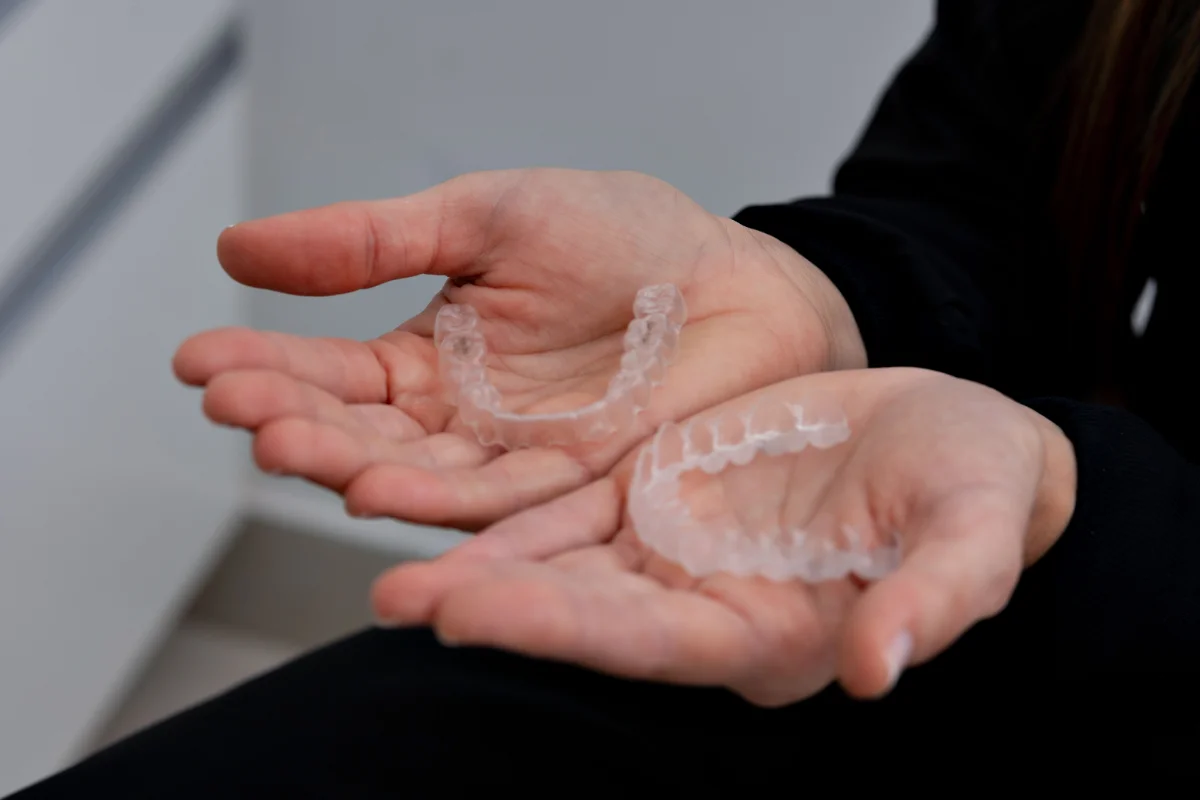
Invisalign uses a set of clear plastic trays to slowly straighten teeth. You wear each set as directed before moving on to the next. You usually need to wear them for 20 to 22 hours a day. Take them out when eating, drinking anything other than water, and cleaning your teeth.
Traditional braces use small brackets and wires attached to your teeth. The wires gently move your teeth into the right position. Braces stay on your teeth during treatment and are adjusted during dental visits.
Both options can straighten teeth, but they may not suit everyone. The best choice depends on your teeth and the type of movement needed.
Which Option Works Faster: Invisalign or Braces?
Neither Invisalign nor braces is always faster. Treatment time depends on how much the teeth need to move, whether the bite needs correction, and how closely the treatment instructions are followed.
Some mild alignment problems may be treated within several months, while more complex cases can take a year or longer. Clear aligners may take longer if they are not worn for the recommended number of hours each day. Braces work continuously because they are fixed to the teeth.
During a consultation with a dentist in White Rock, ask for an estimated treatment timeline and what could affect it. Regular checkups and adherence to the recommended plan can help keep treatment on track.
Which Is More Comfortable and Easier to Live With?
Both treatments can cause pressure or soreness, especially after starting treatment or making adjustments. The feeling usually improves as the mouth gets used to the changes.
Invisalign may suit people who prefer a less noticeable option and want to remove their aligners for meals and brushing. However, aligners must be worn consistently, and they need to be cleaned as directed.
Braces do not need to be removed or remembered throughout the day. However, brackets and wires can rub against the inside of the cheeks and lips, and some foods may need to be avoided.
For people searching for Invisalign near you, convenience is an important factor, but it should be balanced with the type of tooth movement needed.
How Do Cleaning and Food Choices Differ?
Keeping teeth clean is important during either treatment because plaque can build up around teeth and orthodontic appliances.
With Invisalign:
- Remove aligners before eating.
- Brush and floss before putting them back in.
- Clean the aligners according to the instructions provided.
- Avoid hot drinks while wearing them, as heat may affect the plastic.
With braces:
- Brush carefully around brackets and wires.
- Clean between teeth with floss or suitable cleaning tools.
- Limit hard, sticky, and chewy foods that may damage the braces.
- Attend adjustment visits as recommended.
Good daily care helps lower the risk of cavities, gum irritation, and white marks on the teeth after treatment.
Which Option May Be Right for You?
The best choice depends on your teeth, daily habits, and how well you follow the treatment plan. Discuss these points with a dentist near you:
- Appearance: Clear aligners are hard to notice, while braces are more visible.
- Daily care: You can remove aligners for eating and brushing. Braces stay on your teeth.
- Teeth problems: Braces may work better for some complex cases, but aligners can also fix many teeth problems.
- Self-discipline: Aligners work best when worn for the recommended hours each day.
- Cost and appointments: Fees and visit schedules vary depending on the treatment plan and dental provider.
An examination can help determine which option is likely to give you a suitable result.
Explore Your Teeth-Straightening Options!
Choosing between Invisalign and braces starts with understanding your teeth, bite, and daily needs. Johnston Road Dental can help you compare suitable options, understand the expected treatment process, and discuss what to expect from each approach. Schedule a consultation to take the next step toward a straighter, healthier smile.
FAQs
Which is faster, Invisalign or braces?
Neither is always faster. Treatment time depends on your teeth, bite, and how well you follow the treatment plan. Your orthodontist can estimate how long your treatment may take.
Which is more comfortable, Invisalign or braces?
Invisalign can be removed for eating and brushing, but you must wear it as directed. Braces stay on your teeth but may irritate your cheeks and gums. Both can cause some soreness as your teeth move.
Can Invisalign fix severe teeth problems?
Invisalign can fix many teeth and bite problems, but it may not work for every case. Your orthodontist can help you decide if Invisalign or braces is the better choice.
Can you eat normally with Invisalign and braces?
You must remove Invisalign aligners before eating. With braces, avoid hard, sticky, and chewy foods that can damage the brackets or wires. Follow your orthodontist’s advice to keep your teeth clean and healthy.