
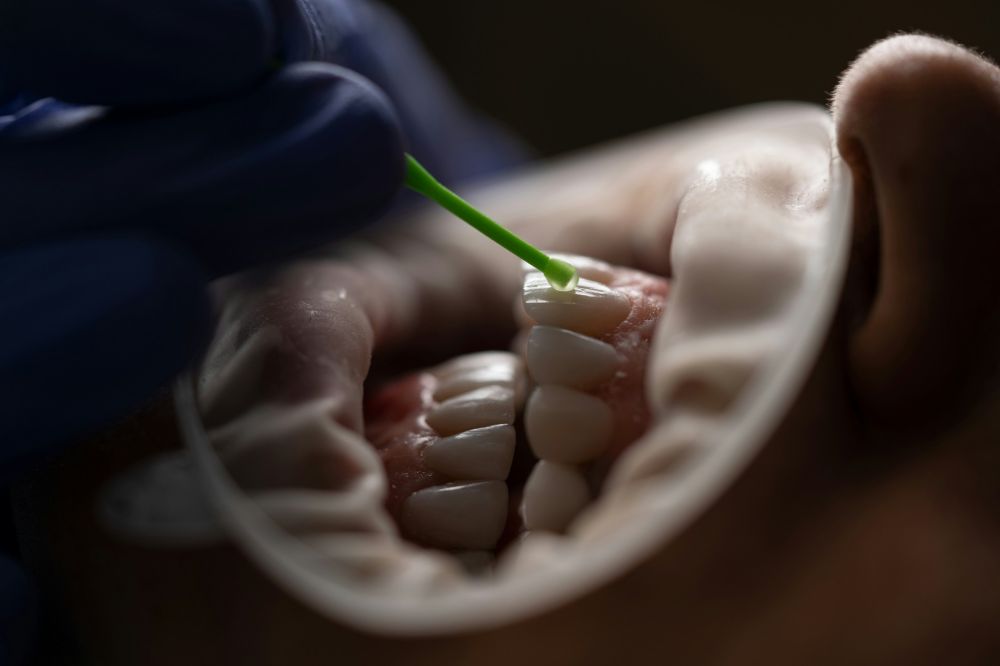
A damaged tooth may need a filling, inlay, onlay, or crown. The best choice depends on how much healthy tooth is left. Small areas of decay can often be fixed with a filling, while larger areas may need a stronger repair. A dentist nearby can check the tooth for cracks or decay and explain the best way to protect it. The goal is to fix the damage while keeping as much of the natural tooth as possible. dental crowns in white rock may be needed when a tooth has lost a lot of its structure and needs more support. The right treatment depends on the size and location of the damage, how strong the tooth is, and how much pressure it handles when you chew.
What Is the Difference Between a Filling, Inlay, Onlay, and Crown?
Each restoration repairs a tooth in a different way. The main difference is how much of the tooth it covers and supports.
- Filling: Repairs a small or medium area damaged by decay or minor wear. The material is placed directly into the prepared tooth.
- Inlay: Fits inside the chewing surface of a tooth and repairs damage that is too large for a simple filling but does not need a full covering.
- Onlay: Covers one or more raised parts of the tooth’s chewing surface. It is useful when more support is needed than an inlay can provide.
- Crown: Covers most or all of the visible part of the tooth above the gumline. It may be recommended when the tooth is badly damaged or weakened.
A dentist near you can assess the tooth and explain how much coverage and support it needs.
How Do You Know Which One Your Tooth Needs?
The right restoration depends on how much healthy tooth remains and whether the damage affects the tooth’s strength.
A filling may be suitable when the damaged area is small and the surrounding tooth is strong. An inlay or onlay may help when the damage is larger, but enough healthy tooth remains to support a partial restoration.
A crown may be needed when:
- A large cavity leaves too little tooth to support a filling.
- A tooth has a large crack that needs added protection.
- A tooth has had root canal treatment and needs more support.
- An older, large filling has weakened much of the tooth.
Dental crowns near you may be considered when a tooth needs more coverage to handle everyday chewing. An examination and, when needed, dental X-rays help guide the decision.
How Long Do These Restorations Last?
Restorations can last for years, but their lifespan depends on the material, the size of the repair, oral hygiene, and habits such as teeth grinding.
| Restoration | General lifespan |
| Filling | Often around 5–10 years, sometimes longer |
| Inlay or onlay | Often around 5–15 years or longer |
| Crown | Often around 5–15 years or longer |
These are only estimates, not promises. Some restorations last longer, while others may need fixing or replacing sooner. Regular dental checkups can help find wear, cracks, or decay around the edges.
What Can Help Your Restoration Last Longer?
Daily care helps protect both the restoration and the surrounding natural tooth.
- Brush twice daily with fluoride toothpaste.
- Clean between your teeth every day.
- Avoid chewing ice or biting hard objects.
- Ask about a night guard if you grind or clench your teeth.
- Attend regular dental checkups and follow recommended care.
A dentist in White Rock can check your restoration over time and recommend treatment if it becomes loose, damaged, or uncomfortable.
Give Your Damaged Tooth the Care It Needs!
Choosing the right way to repair a damaged tooth can help preserve its strength and support your long-term oral health. Johnston Road Dental can assess the extent of the damage, explain the differences between fillings, inlays, onlays, and crowns, and help you understand which option may suit your tooth. You can also discuss the expected lifespan, care needs, and possible costs of each restoration before making a decision. Schedule your appointment today to get personalized guidance and take a confident step toward protecting your natural teeth.
FAQs
Is a crown always better than a filling?
No. A crown covers the entire tooth, so more of it needs to be shaped. A filling may be a better choice if the damage is small and enough healthy tooth remains.
Can an inlay or onlay replace a crown?
Sometimes. An inlay or onlay may work when the tooth needs more support than a filling provides but does not need full coverage.
Does getting a crown hurt?
Local anesthesia is used to reduce discomfort during tooth preparation. Mild soreness or sensitivity may occur afterward.
Can a filling be replaced with a crown later?
Yes. If the tooth becomes weaker or develops more damage, a crown may be considered. The decision depends on the tooth’s condition at that time.


